
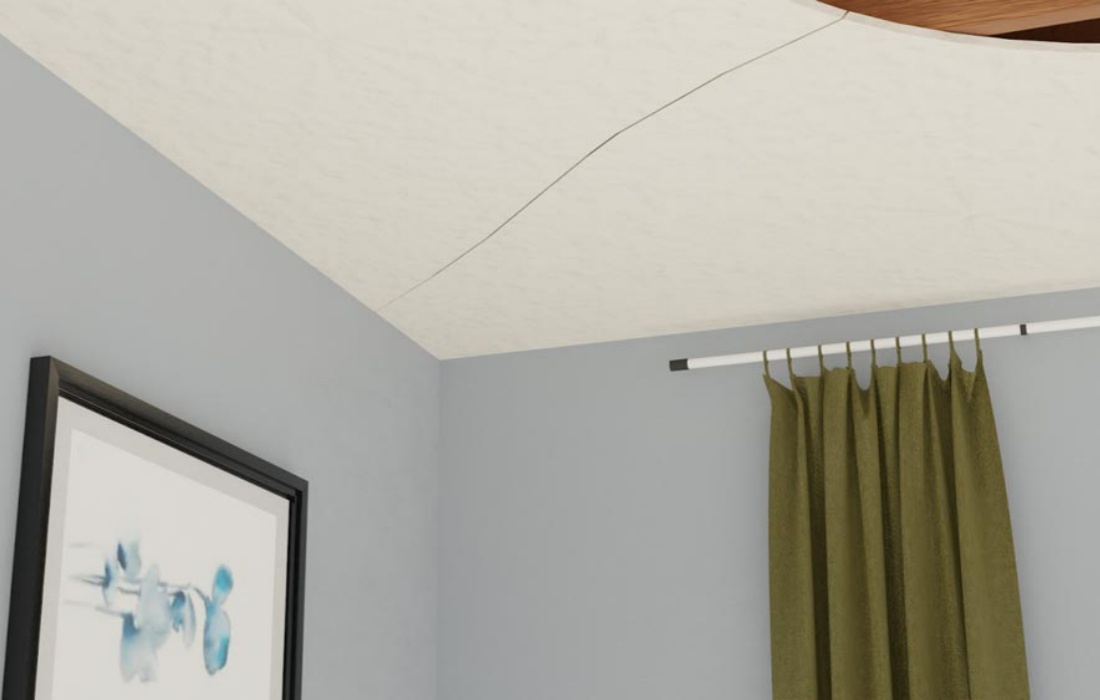
Ceiling cracks can be a real eyesore, disrupting the aesthetic of a room and possibly signaling underlying issues. Taking steps to prevent these cracks not only keeps your ceilings looking great but also helps maintain the integrity of your home. One of the first things to consider is the quality of materials used during construction or renovation. Investing in high-quality drywall and plaster can make a significant difference. Cheaper materials might save some money upfront, but they often lead to problems down the road, including cracks.
Temperature fluctuations can also contribute to ceiling cracks. Homes expand and contract with changes in temperature, and this movement can cause stress on the materials. Insulating your attic properly helps maintain a consistent temperature, reducing the risk of cracks forming. Additionally, using a good quality sealant around windows and doors can help prevent drafts that lead to temperature changes inside your home.
Moisture is another enemy when it comes to maintaining ceilings. High humidity levels can weaken materials, leading to cracks over time. Keeping your home well-ventilated is key. Using exhaust fans in bathrooms and kitchens helps remove excess moisture, while dehumidifiers can be beneficial in particularly humid climates. Regularly checking for leaks in plumbing or the roof is also wise, as water damage can quickly lead to ceiling issues.
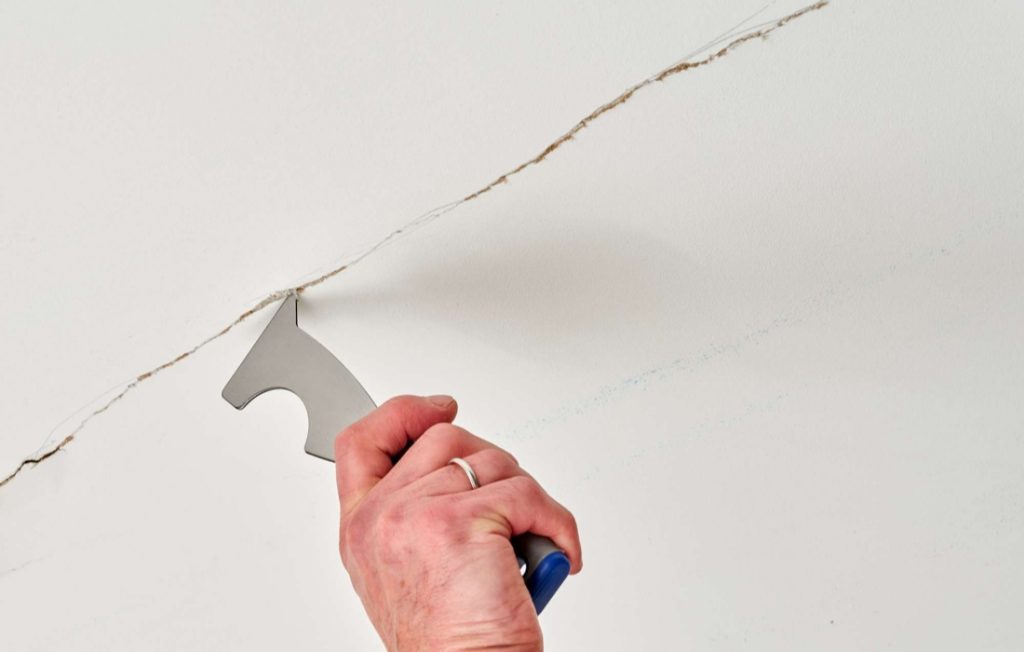
Regular maintenance plays a vital role in preventing ceiling cracks. Performing routine inspections can help catch small issues before they escalate. Look for signs of wear and tear, like peeling paint or small fissures. Addressing these problems promptly can save time and money in the long run. Applying a fresh coat of paint every few years not only enhances the look of your ceilings but also provides a protective layer against moisture and wear.
Another helpful tip is to avoid heavy fixtures on ceilings. While chandeliers and ceiling fans can add character, they also place additional weight on the structure. Ensuring that these fixtures are properly installed and not overloaded can help maintain the ceiling’s integrity. When in doubt, consulting with a professional can provide peace of mind.
Using flexible joint compounds during installation can also help. These compounds are designed to accommodate movement, reducing the likelihood of cracks forming over time. When drywall is installed, ensuring that joints are properly taped and mudded can create a smoother finish and help prevent cracks.
Consider the impact of building settling. As homes age, they naturally settle, which can cause stress on ceilings. Keeping an eye on your foundation and addressing any issues promptly can minimize the effects of settling. Regularly checking for signs of shifting or movement in walls and ceilings can help catch problems early.
By focusing on quality materials, proper insulation, moisture control, regular maintenance, and careful installation, preventing ceiling cracks becomes much more manageable. A little effort goes a long way in keeping your ceilings looking pristine and maintaining the overall health of your home.