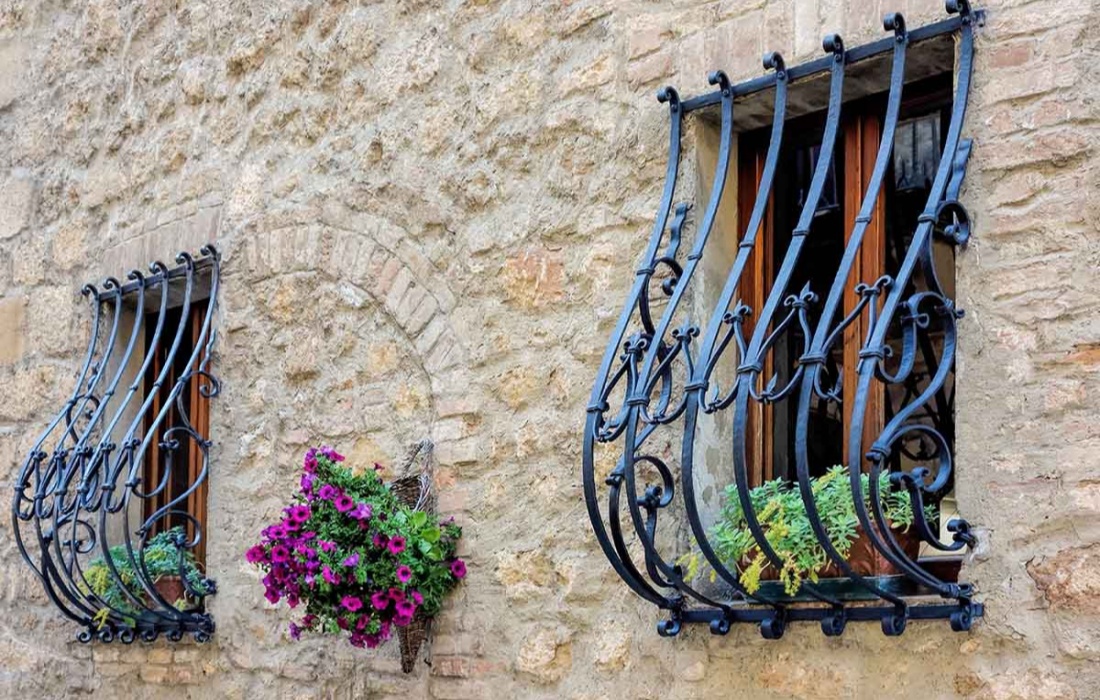

When it comes to interior design, the way texture is presented can make all the difference in creating a captivating atmosphere. Texture adds depth and interest, elevating a room from simply functional to truly inviting.
One of the simplest ways to introduce texture is through fabrics. Soft furnishings like cushions, throws, and curtains can vary widely in texture, creating layers that draw the eye. Mixing materials such as velvet, linen, and cotton can add a tactile dimension that enhances comfort. For instance, a plush velvet pillow paired with a woven throw can create a cozy nook that invites relaxation. The contrast between different fabrics not only looks appealing but also feels great, making a space more inviting.
Walls offer another opportunity to play with texture. A smooth, painted wall can be complemented by textured elements like wallpaper, wood paneling, or even fabric wall hangings. These features can break up the monotony of flat surfaces and provide visual intrigue. Textured paint finishes or stencils can also add character, making a statement without overwhelming the room. This approach allows for creativity while maintaining a cohesive look.

Flooring is another area where texture can shine. A sleek hardwood floor can be softened with a plush area rug, providing warmth and comfort underfoot. Rugs come in various materials, from jute to shag, each offering a unique feel and appearance. Layering rugs can create an interesting focal point, especially in larger spaces. This not only adds texture but also helps define different areas within an open floor plan.
Incorporating natural elements can further enhance the textural experience. Items like wooden furniture, stone accents, or plants bring a sense of the outdoors inside. The organic textures of these materials can create a calming environment, connecting the interior with nature. For example, a rustic wooden coffee table can contrast beautifully with sleek metal accents, striking a balance between modern and natural.
Lighting also plays a crucial role in how texture is perceived. Soft, diffused lighting can highlight the textures in a room, making them more pronounced. Consider using lamps with fabric shades or fixtures that cast interesting shadows. This can create a warm ambiance that showcases the various textures while adding depth and warmth to the space.
Art and decor can serve as focal points that introduce additional texture. Textured artworks, such as canvas pieces with raised elements or sculptures made from mixed materials, can draw attention and spark conversation. These items not only add visual interest but also reflect personal style, making a space feel more individualized.
Don’t underestimate the power of small details. Accessories like decorative bowls, vases, or even books can introduce subtle textures that enhance the overall design. Mixing and matching these elements allows for a curated look that feels intentional and stylish.
Presenting texture in a thoughtful way can dramatically transform a space, making it feel more dynamic and inviting. By layering fabrics, playing with wall finishes, and incorporating natural elements, anyone can create a rich and engaging environment. Embracing texture opens up endless possibilities for personal expression and style, leading to a home that feels truly unique.