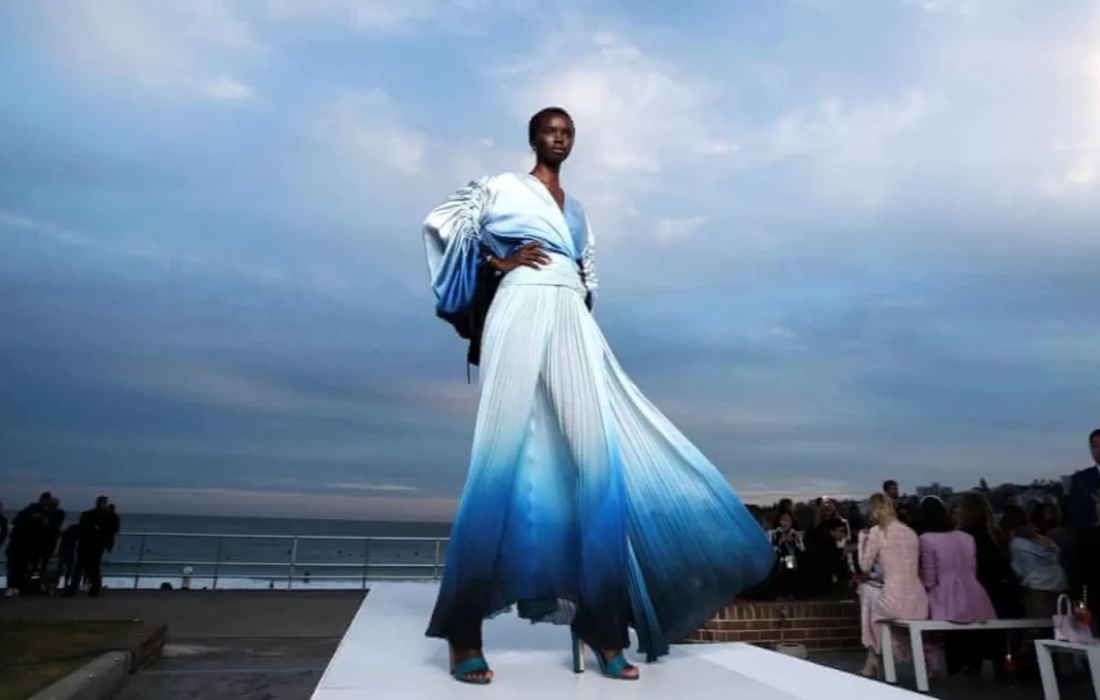
Color gradients have become a captivating trend in the fashion world, bringing a fresh perspective to runway presentations. This technique, which blends different shades seamlessly, adds depth and dimension to garments, making them stand out in a crowd. Designers are increasingly embracing gradients to create visually stunning pieces that resonate with audiences and elevate their collections.
One reason gradients are so appealing is their ability to evoke emotion. Colors can influence feelings and perceptions, and a well-executed gradient can create a mood that enhances the overall theme of a collection. For instance, a soft transition from warm hues to cool tones can evoke a sense of calm and tranquility, while bold, contrasting gradients can generate excitement and energy. This emotional connection can leave a lasting impression on viewers, making the garments more memorable.
Another fascinating aspect of color gradients is their versatility. They can be applied to various fabrics and styles, from flowing dresses to structured outerwear. Designers can experiment with different techniques, like dip-dyeing or airbrushing, to achieve unique effects. This versatility allows for endless creativity, enabling fashion designers to push the boundaries of traditional garment design. By incorporating gradients, they can create pieces that feel both contemporary and timeless.
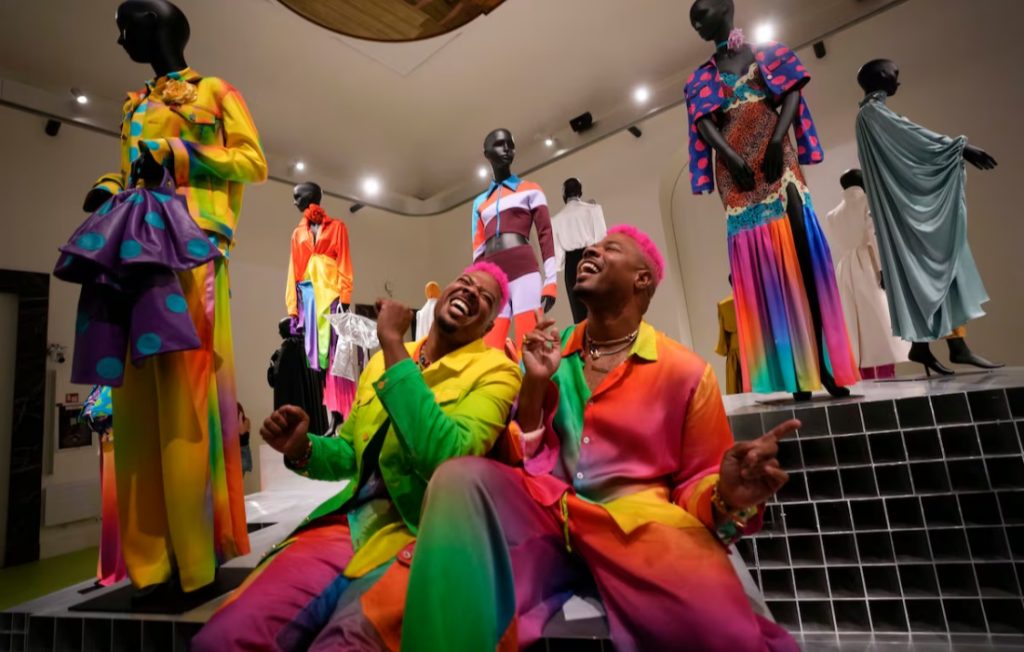
Gradients also offer a unique way to play with silhouettes. By using color transitions strategically, designers can highlight specific areas of a garment or create the illusion of movement. For example, a gradient that fades from dark to light can draw attention to the waistline, enhancing the model’s shape. This technique not only enhances the visual appeal but also adds an element of sophistication that can elevate an entire collection.
Sustainability is another important consideration in fashion today, and gradients can play a role in eco-friendly practices. By using dyeing techniques that create gradients, designers can minimize fabric waste. This approach allows them to create stunning pieces without relying on excessive materials. Additionally, gradients can breathe new life into leftover fabrics, transforming what might have been discarded into beautiful, wearable art.
The historical context of color gradients adds to their allure. From the ombre styles of the past to modern interpretations, this technique has evolved over time, capturing the imaginations of designers and fashion enthusiasts alike. Drawing inspiration from art movements or nature, designers can create collections that not only showcase their talent but also tell a story. This connection to history can add depth and meaning to their work, making it resonate even more with audiences.
Incorporating color gradients into a fashion show can be a game-changer. It enhances the visual storytelling, adds a layer of complexity to designs, and allows for artistic expression. As the fashion industry continues to evolve, the trend of color gradients will likely remain a key element, inspiring designers to explore new horizons in their craft. The beauty of gradients lies in their ability to transform garments into captivating pieces of art, leaving a lasting impact on those who experience them.