Dust mites are tiny creatures that thrive in our homes, often causing allergies and discomfort. They love warm, humid environments, making bedding, carpets, and upholstered furniture their favorite spots. Tackling dust mites is essential for improving indoor air quality and overall health.
Starting with your bedding is crucial. Washing sheets, pillowcases, and blankets in hot water regularly can significantly reduce dust mite populations. Aim for temperatures above 130 degrees Fahrenheit, as this kills dust mites and removes their waste, which is a common allergen. Using allergen-proof covers for pillows and mattresses can also provide an extra layer of protection, preventing dust mites from settling in.
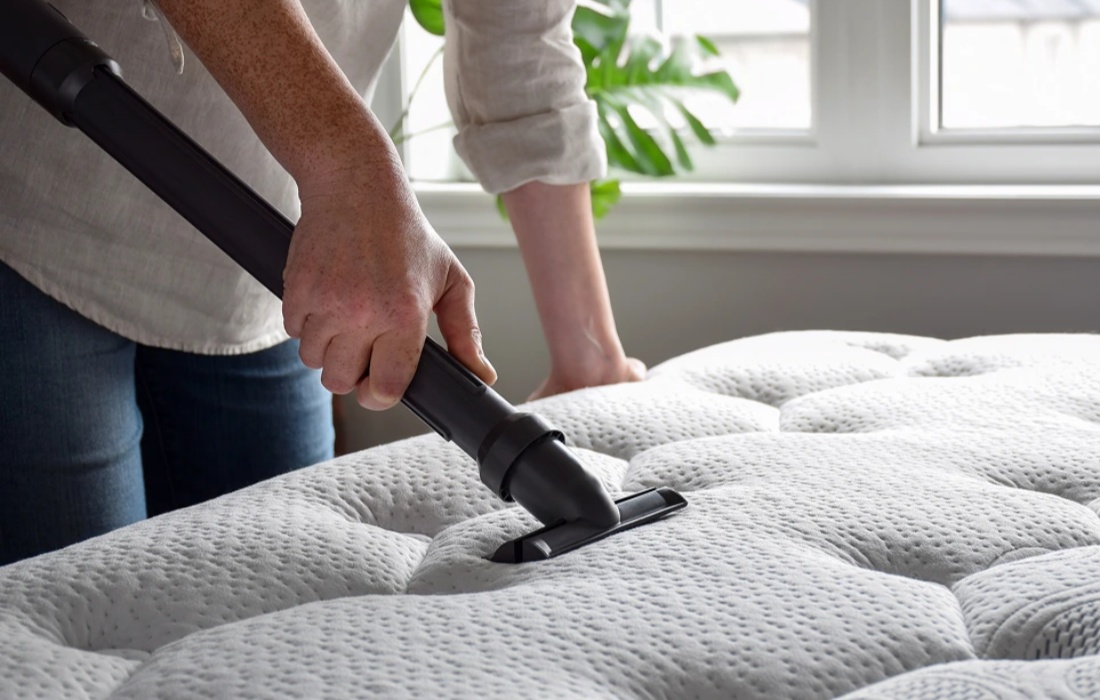
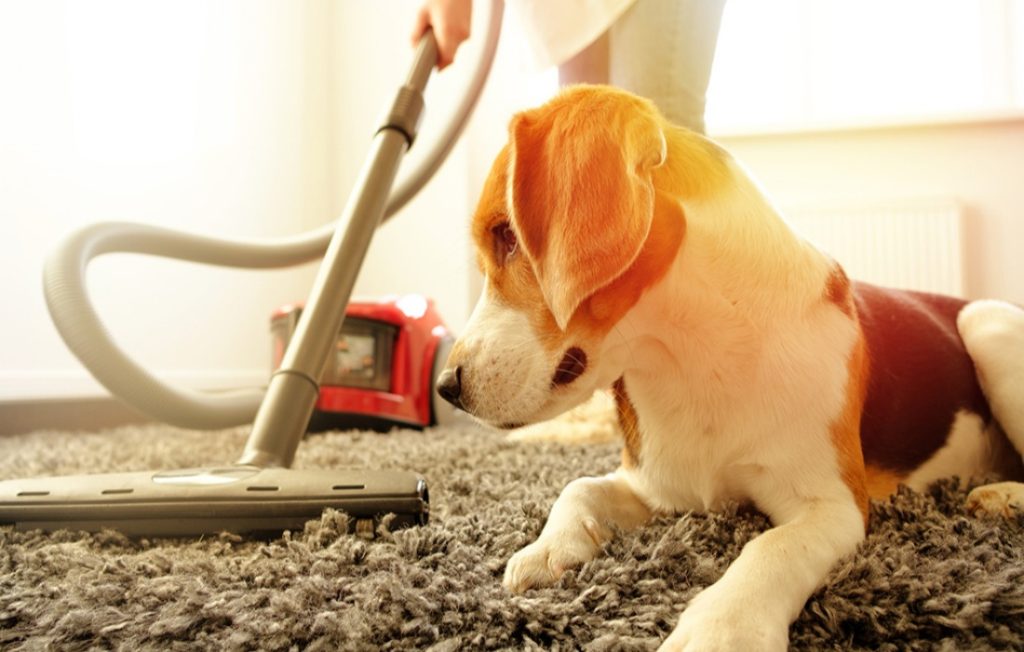
Vacuuming is another powerful tool in the fight against dust mites. Using a vacuum cleaner equipped with a HEPA filter can capture allergens effectively. Regularly vacuuming carpets, rugs, and upholstery helps keep dust mites at bay. Consider vacuuming at least once a week, and don’t forget to include areas like under the bed and behind furniture, where dust tends to accumulate.
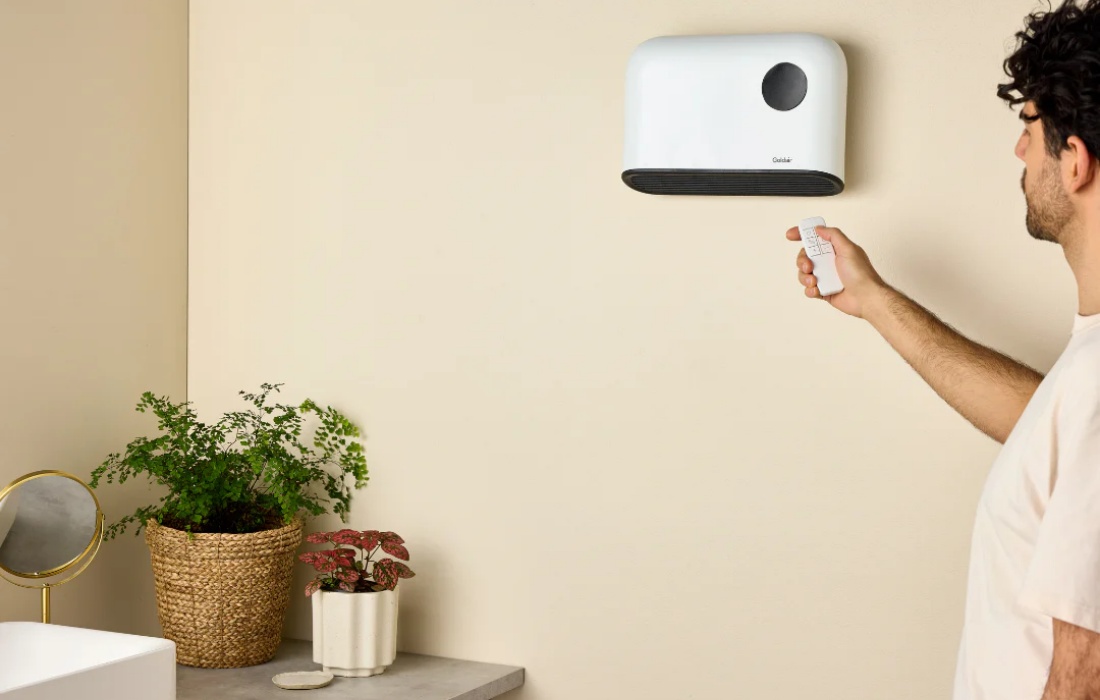
Humidity control plays a significant role in dust mite management. Keeping indoor humidity levels below 50 percent can make your home less hospitable for these pests. Using a dehumidifier in damp areas like basements or bathrooms can help maintain optimal humidity levels. Additionally, ensuring proper ventilation throughout the home can reduce moisture buildup.
Air purifiers can also be beneficial in reducing dust mite allergens. Investing in a quality air purifier with a HEPA filter can help trap airborne particles, including dust mite waste. Placing air purifiers in bedrooms and living areas can improve air quality and provide relief for allergy sufferers.
Regular cleaning routines can make a big difference in minimizing dust mite presence. Dusting surfaces with a damp cloth can help capture dust instead of just moving it around. Focus on frequently used areas such as shelves, electronics, and baseboards. Incorporating this practice into a weekly cleaning schedule can keep dust at bay.
Consider the materials in your home, as certain fabrics attract dust mites more than others. Opting for washable curtains and choosing furniture with smooth surfaces can make cleaning easier. Leather or synthetic materials are often better choices for upholstery, as they don’t harbor dust mites as easily as fabric options.
Being mindful of clutter can help reduce dust accumulation. Keeping surfaces clear and minimizing decorative items can make cleaning simpler and more effective. The less clutter there is, the easier it becomes to maintain a dust-free environment.
Implementing these strategies can lead to a noticeable improvement in indoor air quality and overall comfort. By focusing on bedding, vacuuming, humidity control, and regular cleaning, anyone can take significant steps toward dust mite purification. Creating a cleaner, healthier living space not only enhances comfort but also contributes to better overall well-being.